Role of Property Snagging: How It Protects Your Dubai Property Investment
 sacscreativemedia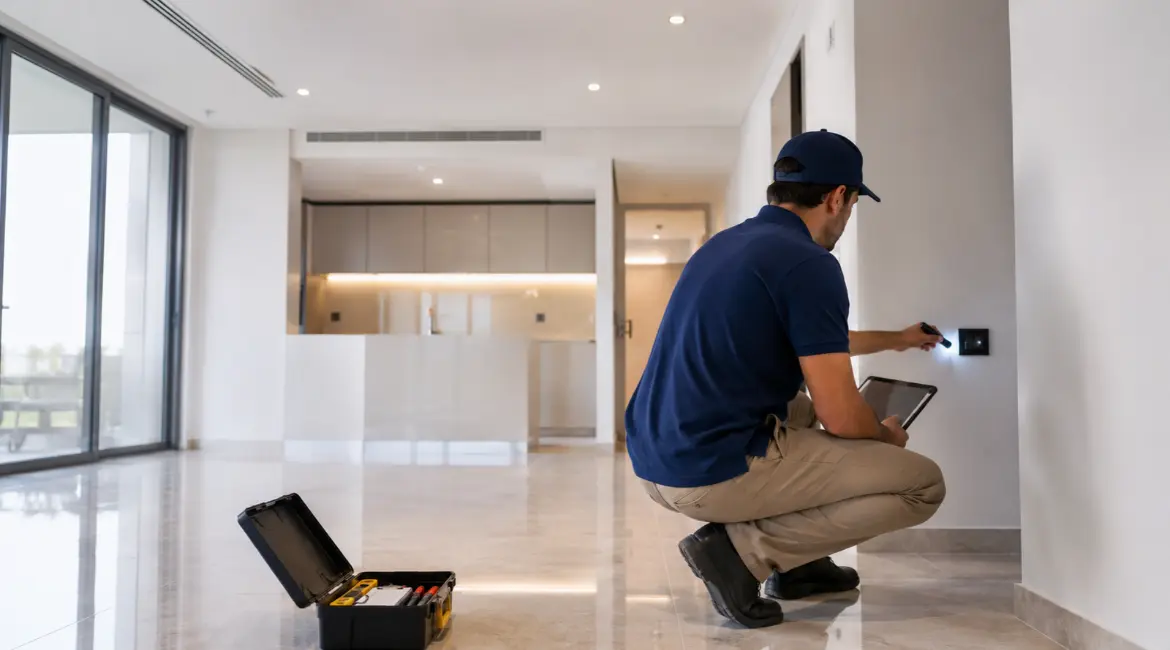

Snagging becomes especially important when you are making a major investment in Dubai real estate. A new property may look perfect at first glance, but hidden defects, poor finishing, or functional problems can affect your ownership experience and create unnecessary costs after handover.
Whether you are buying an apartment, villa, or off-plan investment, Property Snagging in Dubai from Steve & Co. Properties can help identify potential defects, document them clearly, and address concerns before you fully accept the property. A detailed inspection gives you a better opportunity to identify issues early and ensure that eligible defects are addressed before they become your responsibility.
Buying a property is about much more than finding an attractive home in a good location. For many Dubai buyers, real estate represents a significant part of their financial portfolio. The property’s condition can influence maintenance costs, rental readiness, tenant satisfaction, and future resale appeal.
This is why the handover stage should not be treated as a simple formality.
A property can have problems that are difficult to notice during a short viewing. A door may not close properly, a bathroom may have drainage issues, an air-conditioning system may not perform as expected, or a window may have poor sealing.
Some problems may appear minor initially but become more expensive when ignored.
A professional inspection gives buyers a structured way to identify these issues before moving into the property or placing it on the rental market.
One of the strongest reasons to inspect a property before handover is early detection.
New properties involve multiple stages of construction, installation, finishing, and quality checks. Even when a development has been completed by an established developer, individual units can still have defects.
Common issues may include:
Finding such problems early can make rectification easier.
For example, identifying a small water leak before moving furniture into an apartment is much better than discovering it after several weeks of occupancy. Early action can potentially prevent secondary damage and additional maintenance expenses.
Off-plan buyers make their purchase decisions based on information provided before the property is completed. This may include floor plans, specifications, brochures, show apartments, finishing schedules, and contractual documents.
Once construction is complete, the actual property should be checked carefully.
A detailed inspection can review elements such as:
This is where the Role of Property Snagging becomes particularly valuable. It gives buyers a practical opportunity to compare the finished unit with the specifications and expectations established during the purchasing process.
It also helps move the conversation away from simply asking whether the property “looks good” and toward whether it has actually been completed properly.
A new property should not automatically mean a property without defects.
One of the biggest concerns for buyers is discovering repair requirements shortly after taking possession. If a defect is related to construction, installation, or workmanship, the relevant developer or responsible party may have obligations under the applicable agreement or warranty arrangements.
The exact coverage depends on the property, contract, developer, warranty terms, and applicable UAE regulations. Buyers should always review their Sale and Purchase Agreement and warranty documents carefully.
A properly documented inspection can make the process more organised.
Instead of reporting an issue verbally, the buyer can provide:
This creates a useful record that can support communication with the developer.
The purpose is not to avoid every future maintenance expense. Rather, it is to identify issues that should reasonably be addressed at the handover stage.
Dubai has a large market of property investors who purchase homes specifically for rental purposes.
If you are buying an apartment or villa as an investment, the property needs to be ready for tenants. A tenant expects the basic systems and fittings to work properly from the beginning.
Consider a newly handed-over apartment where:
These may appear to be small problems, but they can create inconvenience for tenants and additional work for the landlord.
They may also delay occupancy if serious issues need to be corrected.
This is why the Role of Property Snagging extends beyond the handover itself. For investors, it can support the transition from property purchase to rental readiness.
Addressing defects before a tenant moves in can create a better first impression and potentially reduce avoidable maintenance requests during the early stage of the tenancy.
Property investment is usually a long-term decision.
Even if you have no immediate plans to sell or rent the property, its initial condition matters. A defect that is ignored today can sometimes develop into a more complicated problem later.
Examples include:
Early identification gives you the opportunity to address the problem while it is still manageable.
Snagging does not replace regular property maintenance. Instead, it establishes a clearer understanding of the property’s condition when you take ownership.
This can be particularly useful for investors who intend to keep the property for several years.
Another important benefit is documentation.
During a normal walkthrough, buyers may notice several issues but forget some of them later. They may also describe the same issue differently when communicating with the developer.
A structured inspection report solves this problem.
A professional report can record the location and nature of each issue and may include photographs or other supporting information, depending on the inspection service.
For example, rather than saying:
“There is something wrong with the bathroom.”
A report can identify the specific bathroom, describe the issue, show the affected area, and make it easier for the relevant party to understand what needs to be checked.
This documentation can also be useful during a follow-up inspection.
Once the developer confirms that rectification work has been completed, the original report provides a reference point for checking whether the reported issues have actually been resolved.
Most buyers naturally focus on visible finishes.
They look at the walls, flooring, kitchen, bathrooms, furniture, and overall appearance.
However, a property inspection should go deeper than appearance.
Accessible sockets, switches, lighting points, and other relevant electrical elements can be checked for obvious functional concerns.
Taps, water flow, visible pipework, drainage, leaks, and signs of moisture deserve attention.
Air-conditioning is essential in Dubai. Cooling performance, airflow, drainage, unusual sounds, and visible signs of leakage should be considered during an appropriate inspection.
Doors should open, close, align, and lock correctly. Windows should be checked for operation, visible damage, seals, and other apparent issues.
Cabinet doors, drawers, handles, worktops, sinks, fittings, and included appliances should be reviewed.
Tiles, grout, sealant, fixtures, water flow, drainage, and visible signs of leakage should be inspected.
External areas should not be forgotten simply because they are outside the main living space.
A property can look excellent during a quick tour while still having problems in one of these less noticeable areas.
Buying a property can be exciting.
After selecting the location, choosing the unit, arranging financing, making payments, and waiting for construction, buyers naturally want to move into their new property as quickly as possible.
That excitement can sometimes make it easier to overlook defects.
An independent inspection provides a more objective perspective.
The purpose of a professional inspector is not to search for unrealistic imperfections. It is to identify defects, incomplete work, or functional concerns that reasonably require attention.
An experienced inspector also approaches the property systematically rather than checking only the areas that immediately attract attention.
For a substantial property investment, this independent perspective can be valuable.
Property handover can involve several steps, including documentation, access arrangements, inspections, defect reporting, and communication with the developer.
Without preparation, buyers can find the process stressful.
A detailed snagging report can make things more organised.
Instead of trying to remember every issue during a handover appointment, you can work from a structured list.
This makes it easier to:
A professional inspection therefore contributes not only to identifying problems but also to creating a more organised handover process.
Timing is important.
For a new or off-plan property, buyers should generally consider arranging an inspection when the property is ready for handover and before final acceptance, while following the requirements of their Sale and Purchase Agreement and the developer’s procedures.
Inspecting the property before furniture and personal belongings are moved in is usually more practical because the inspector can access more areas.
Before the inspection, it is useful to have the following documents available:
If a specific finish, fixture, appliance, or modification was promised, keep the supporting documentation available for comparison.
A professional inspection normally follows a systematic process.
The inspector may review different areas of the property, including bedrooms, living areas, kitchens, bathrooms, balconies, doors, windows, electrical points, plumbing fixtures, air-conditioning, and other accessible components.
Depending on the scope of the service, specialist inspection equipment may also be used.
The findings are then documented in a report.
A useful report should allow the property owner to understand:
The exact inspection scope can vary between providers, so buyers should confirm what is included before booking a service.
Finding defects is only the first stage.
Once the report is prepared, the relevant issues should be communicated to the developer or responsible party through the appropriate process.
The next stage is rectification.
After the developer or contractor confirms that repairs have been completed, a follow-up inspection can help verify the results.
Ask:
This follow-up stage is important because a repair should not simply be considered complete because it has been marked as completed.
Verification provides greater confidence before the property moves into normal use.
Some buyers prefer to inspect their properties themselves.
A personal walkthrough is certainly useful for finding obvious problems. You can check doors, windows, taps, cabinets, visible finishes, and other areas.
However, DIY inspections have limitations.
Buyers may not know where common defects occur or how to assess certain systems. They may also focus heavily on cosmetic issues while overlooking functional concerns.
A professional inspector brings experience, a systematic process, and an independent viewpoint.
For a property representing a significant financial investment, professional support can provide an additional level of confidence.
Do not treat the handover inspection as a quick formality. Take enough time to review the property carefully.
Paint marks and scratches are worth recording, but plumbing, electrical, HVAC, drainage, and other functional issues may have greater long-term importance.
Photographs provide useful evidence and make it easier to identify the exact location of a reported defect.
Balconies, terraces, parking spaces, storage areas, and other included spaces should also be considered.
If defects are reported, check whether the rectification work has actually been completed properly.
A property being newly constructed does not guarantee that every finish, fitting, or system will be free from defects.
For investors, snagging can become the starting point for better property management.
Once the initial condition of the property has been documented, you have a useful baseline for future reference.
This can be particularly helpful when the property is rented to tenants or managed by a property management company.
The initial report can help establish which conditions existed when ownership began. Future inspections can then be compared against that baseline.
For landlords, this can support more organised maintenance and property records.
In this way, the value of an inspection can continue beyond the handover date.
The Role of Property Snagging becomes clearer when you look at the complete ownership journey.
You are investing a significant amount of money into a property. You expect the completed unit to match the agreed specifications. You want defects identified before they become expensive. If you are renting the property, you want tenants to receive a functional and comfortable home. If you eventually sell, you want the property to remain in good condition.
Snagging supports these objectives by creating a clear picture of the property’s condition at the beginning of ownership.
It does not guarantee rental returns or future capital appreciation. It does not eliminate every maintenance issue. It also does not replace legal, financial, or specialist technical advice where required.
What it can do is reduce the risk of overlooking avoidable defects at handover.
Choosing the right support for property snagging can make the handover process easier and more organised. Steve & Co. Properties help buyers and investors approach the inspection stage with greater attention to their property’s condition, from identifying visible defects and finishing issues to highlighting areas that may require further attention.
For investors, this support can be particularly useful when preparing a newly completed property for rental or long-term ownership. A detailed inspection can help create a clear record of the property’s condition and give owners a better understanding of issues that should be addressed before the property is fully occupied or managed.
The Role of Property Snagging is ultimately about protecting your investment from avoidable problems.
A property may look complete and attractive, but a detailed inspection can reveal issues that are not obvious during a normal viewing. Identifying these problems early gives buyers an opportunity to document them, request appropriate rectification, and verify the work before fully settling into ownership.
For homeowners, this can mean fewer surprises after moving in. For landlords, it can support rental readiness. For investors, it can provide a useful starting point for long-term property management.
Dubai’s property market offers many opportunities, but every investment deserves proper due diligence. Do not judge a newly completed property only by its appearance.
Look at how it functions, how it has been finished, and whether the completed property reflects what you agreed to purchase.
A careful inspection today can help you avoid unnecessary problems tomorrow—and that is the real value of professional snagging.
© Steve&Co Properties @ 2026 – All rights reserved
Powered By Sacs Creative Media